
Spring Cemetery Maintenance: Preparing Your Loved One's Memorial
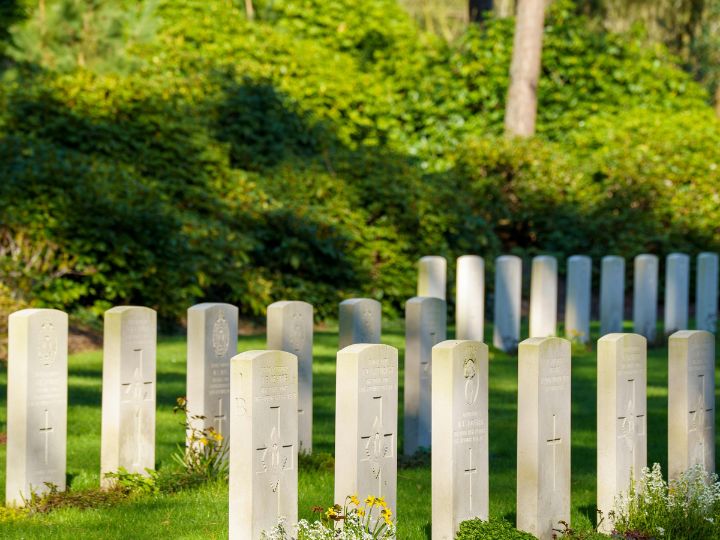
When the cold finally starts to loosen its grip and the first signs of green return to the ground, many families find themselves drawn back to the cemetery. Spring has a way of doing that — it stirs something in us, a quiet urge to tend to the spaces where we keep our loved ones close. If you've been waiting for the right time to visit and care for your loved one's memorial, spring is it.
This seasonal guide walks you through everything you need to know about spring cemetery care — from assessing winter damage to planting flowers that last through summer, and getting the memorial ready well before Memorial Day.
Start With a Thorough Inspection
Winter can be hard on memorials. Freeze-thaw cycles, heavy snowfall, and ice accumulation all take a toll on granite, marble, and bronze over time. When you visit in early spring, bring a close eye and take your time. Walk around the entire memorial and look for:
Cracks or chips in the stone that weren't there before
Tilting or shifting in the base (especially after a particularly wet winter)
Efflorescence — that white, chalky residue that forms when minerals work their way to the surface of stone
Staining from leaves, algae, moss, or standing water
Bronze lettering or emblems that have dulled or discolored
Don't panic if you spot something. Many of these issues are cosmetic and correctable. What's important is catching them early before small problems become bigger ones.
Headstone Maintenance in Spring: Cleaning the Right Way
Headstone maintenance in spring is less about scrubbing hard and more about being gentle and deliberate. One of the most common mistakes people make is using household cleaners, bleach, or wire brushes on memorial stones. These can permanently damage the surface, strip sealants, and accelerate deterioration.
Here's what actually works:
For granite memorials, use clean water and a soft-bristled brush. If you need a cleaning solution, look for a pH-neutral stone cleaner that's specifically formulated for cemetery use. Products like D/2 Biological Solution are widely trusted in the memorial care community and are safe for granite and marble alike. Apply it gently, let it sit for a few minutes, and rinse thoroughly.
For bronze elements — lettering, emblems, or plaques — a soft cloth and warm water will handle light grime. For heavier oxidation, a non-abrasive bronze cleaner followed by a thin coat of paste wax will restore the shine and protect the surface from the elements.
For flat or flush markers, pay special attention to the edges where grass tends to creep over the stone. Carefully trim back any encroaching grass or roots so the full inscription remains visible and readable.
Avoid pressure washing. It feels efficient, but the force can dislodge the stone's protective surface and push water into microfractures, making things worse over time.
Addressing Winter Damage
If your inspection revealed more significant damage — a crack, a shifted base, or lettering that's become illegible — spring is the time to address it before it worsens through summer heat and rain.
Minor surface cracks can sometimes be cleaned and sealed with a cemetery-safe consolidant, but structural concerns should always be handled by a professional. Leaning or sunken monuments can pose a safety risk and typically require a foundation reset, which is best left to an experienced monument company.
This is also a good time to check in with the cemetery office. Many cemeteries have rules about what maintenance families can perform themselves versus what requires a licensed contractor. Some offer their own seasonal maintenance programs. Knowing the guidelines ahead of time saves you from accidentally violating cemetery policies with the best of intentions.
Spring Plantings and Seasonal Flowers
Part of the joy of spring visits is bringing new life to the gravesite. Fresh flowers and seasonal plantings are one of the most meaningful ways to honor the memory of someone you love — and they also protect the ground around the memorial by reducing erosion and keeping the soil stable.
Before you plant, check with the cemetery about their policies. Many cemeteries have specific rules about what can and cannot be planted, the size of containers allowed, and whether in-ground planting is permitted. Most will allow potted arrangements near the headstone; others may have designated planting areas.
For cut flowers, spring classics like tulips, daffodils, and lilies are always meaningful. For longer-lasting color through the season, consider potted petunias, marigolds, or geraniums — all of which are hardy, easy to maintain, and widely available at garden centers in the spring.
If your loved one had a favorite flower or plant, bring that. There's something deeply personal about setting their bloom beside their name.
Getting Ready for Memorial Day
Memorial Day is one of the most visited days at cemeteries across the country. If you want the memorial to look its best for that day — and for the family members who may be joining you — it helps to start your spring memorial upkeep a few weeks ahead of time rather than the day before.
A practical timeline might look like this:
Early to mid-April: Conduct your winter damage inspection. Clean the stone. Address any repairs or consult a professional if needed.
Late April: Plant or arrange seasonal flowers. Trim surrounding grass and vegetation.
First week of May: Do a final check. Refresh flowers if needed. Add any personal touches — a flag, a small decorative item permitted by the cemetery, or a new arrangement.
Memorial Day weekend: Simply visit, reflect, and be present.
Spreading the work over several weeks makes it feel less like a chore and more like a series of quiet, intentional visits.
Choosing a Memorial That's Built to Last — and Easy to Maintain
There's a connection between how well a memorial holds up over the years and the quality of the memorial itself. If you're in the process of selecting a headstone for a loved one — or even planning ahead for yourself — that choice matters more than most people realize.
Memories in the Making, Inc.
is a Aurora-based memorial company serving the greater Chicagoland area, and they're one of those rare businesses that genuinely cares about getting the details right. As a virtual memorialist, they operate without the overhead of a physical showroom, which means they can offer exceptional quality at more accessible price points.
What sets them apart is the guidance they provide throughout the entire process — from selecting a granite color and monument style to choosing lettering and custom etchings that reflect a life truly lived. They offer a wide range of memorial types, from simple flush markers to family estate monuments, companion monuments, and cremation memorials.
But their involvement doesn't stop at the sale. The team at Memories in the Making understands that a memorial is a long-term investment, and they're available to walk families through the basics of grave maintenance — what to clean it with, what to avoid, how to identify early signs of wear, and when to call in a professional. That kind of ongoing support is rare, and it makes a real difference for families who want to keep a loved one's memorial looking its best for generations to come.
If you're still in the process of choosing a memorial, or you want to know more about how to care for the one you already have, you can reach Memories in the Making at 630-824-7306 or visit them at memoriesinthemaking.net.
Spring cemetery care is more than a to-do list. It's an act of love — one that says the people we've lost are still worth our time, our attention, and our care. Whether you're scrubbing a winter's worth of grime off a granite stone or planting your mother's favorite flowers beside her marker, you're doing something that matters.
Take your time. Bring someone with you if you can. And know that tending to a memorial is one of the quiet, lasting ways we keep our loved ones close.