
What's the Difference Between Headstones, Monuments, and Grave Markers
If you've been searching for "
monuments near me" or "grave markers near me," you've probably noticed people using these terms somewhat interchangeably. But here's the thing: there are real differences between headstones, monuments, and grave markers—and understanding those differences will help you make a better decision for your loved one's memorial.
Let's clear up the confusion. When you understand what sets these memorials apart, you'll be better equipped to choose the right option for your family's needs, budget, and cemetery regulations.
The Basic Definitions
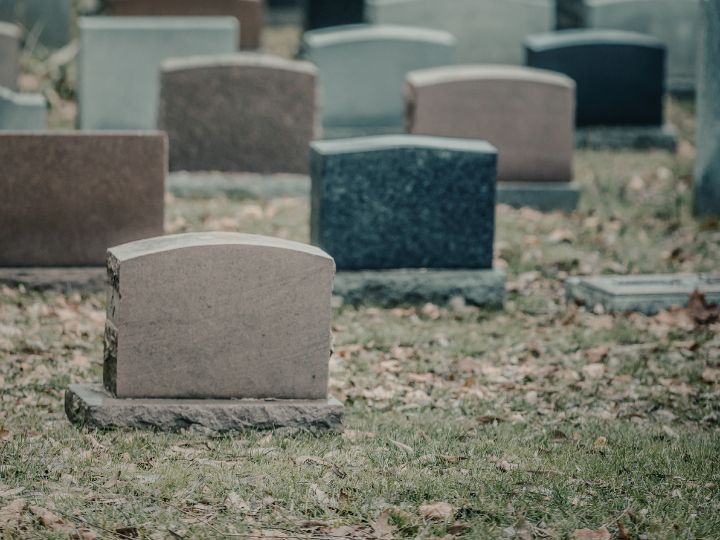
Headstones are individual upright stones that mark a single grave. They're typically installed at the head of a grave and stand vertically. They're the most recognizable type of memorial—when you picture a graveyard, you're probably imagining rows of headstones.
Monuments are larger, more elaborate memorials that can mark a single grave or an entire family plot. They're typically taller, more substantial, and often feature more intricate design work. Monuments can be upright, slanted, or even custom shapes.
Grave markers (also called flat markers or flush markers) lie flat against the ground. They're installed level with the earth and are often less ornate than upright stones.
Memorial stones is an umbrella term that encompasses all of these options—essentially any stone that serves as a permanent memorial.
Now that we've got the basics down, let's explore what really makes these different: size, placement, durability, cost, and cemetery regulations.
Size: How They Compare Visually
This is one of the most obvious differences, and it matters more than you might think.
Headstones are medium-sized monuments, typically ranging from 24 to 48 inches tall. They create a noticeable presence in a cemetery without being overly imposing. Most upright headstones are rectangular or slightly tapered, designed to stand at the head of a grave.
Monumentsare the heavyweights of the memorial world. They can range from 48 inches to well over 8 feet tall, and they're often much wider than traditional headstones. Some monuments span several feet across, making them real focal points in a cemetery landscape. Their size allows for more elaborate designs, multiple names, and complex engravings.
Grave markers are the modest option. Lying flat, they're typically 36 to 42 inches wide and 20 to 24 inches deep. Because they're flush with the ground, they don't command visual space the way upright memorials do, but they offer a clean, uncluttered aesthetic.
Think of it this way: a headstone is a traditional portrait frame, a monument is a full-size mural, and a grave marker is a tasteful plaque.
Placement and Cemetery Regulations
Here's something crucial that catches many families off guard: your cemetery has rules about what you can install.
Many cemeteries are divided into sections, and each section has different regulations. Some sections are "headstone only" areas, meaning you can't install anything larger. Other sections allow monuments. Some cemeteries only permit flat markers—you'll drive through and see the peaceful, manicured landscape without any upright stones. These regulations exist to maintain the aesthetic and practical management of the cemetery grounds.
Before you fall in love with a particular style, check with your cemetery. Ask them specifically:
What types of memorials are permitted in your lot's section?
What are the size restrictions?
Are there height or width limitations?
Do they have regulations about materials?
Are certain design elements (like benches or statuary) allowed?
Getting this information first saves you from designing something beautiful that you can't actually install.
Durability and Longevity
All three options can last for centuries if they're made from quality materials like granite, but durability varies slightly based on design.
Upright headstones and monuments are more exposed to the elements. Wind, rain, freeze-thaw cycles, and direct sunlight all weather these stones over time. However, granite—the premium choice for memorials—is incredibly durable and actually improves with age, developing a patina that many families find beautiful.
Flat markers have a different durability profile. Because they're level with the ground, they're exposed to ground moisture, foot traffic, and mowing equipment. They can wear more quickly on the surface, but good-quality granite flat markers can still last for generations. The main advantage is that they're less likely to tip or shift since they have a lower center of gravity.
The material you choose matters enormously. Granite outperforms marble and sandstone in durability. It resists weathering, won't chip easily, and maintains its finish beautifully for decades.
Cost: Budget Considerations
Let's talk money, because memorial costs are a real consideration for most families.
Grave markers are typically the most affordable option. A quality granite flat marker might cost $800 to $2,500, depending on size and engraving complexity.
Headstones fall in the middle price range. A standard upright granite headstone typically costs $1,500 to $5,000. Size, design intricacy, and customization options affect the final price.
Monuments are the premium investment. Because of their size and the skilled labor required, monuments can range from $3,000 to $15,000 or more. A elaborate family monument with multiple names, intricate etchings, and custom design work can be significantly more.
Keep in mind these are ballpark figures. Your actual cost depends on:
The granite color and quality you select
Design complexity (simple vs. intricate engravings)
Photo etchings or special artwork
Size and dimensions
Lettering styles and customization
Local market rates
There's no shame in working within a specific budget. A beautifully designed, quality headstone can be just as meaningful and lasting as an elaborate monument.
Visual Comparison: Side by Side
Let's look at three scenarios to illustrate how these memorials work in different situations.
Scenario 1: Individual Burial, Modest Budget Choice: Grave Marker A family selects a 36" x 24" gray granite flat marker for their grandmother. It includes her name, dates, and a simple inscription: "Forever Loved." The marker is elegant and understated, blending into the cemetery's gentle landscape. Cost-effective and beautiful, it serves as a peaceful tribute without being costly. The family appreciates that maintenance is minimal and it matches the cemetery's design standards.
Scenario 2: Single Burial, Desire for Presence Choice: Headstone A family chooses a classic 36" black granite upright headstone for their father, a veteran. The stone features a military insignia at the top, his name and dates in gold-leaf lettering, and the inscription "Duty, Honor, Service." At 36 inches tall, it has noticeable presence without dominating the cemetery. It allows for meaningful personalization while respecting the balanced aesthetic of the grounds.
Scenario 3: Family Plot, Lasting Legacy Choice: Monument A multi-generational family purchases a large family plot and installs a 60" polished black granite monument. It features space for multiple family members' names and dates, an engraved family crest at the top, and their family surname in prominent lettering. The monument becomes a gathering place—a permanent acknowledgment of their family legacy. Future generations will add names as needed. The investment reflects their intention to maintain a family gathering place for decades to come.
Making Your Decision
So how do you choose between these options?
Start with your cemetery's regulations. If they only allow flat markers, that decision is made for you. If you have flexibility, consider these questions:
What's your budget? Be honest about what you can comfortably invest. A well-designed headstone is every bit as meaningful as an elaborate monument.
What's your aesthetic preference? Do you prefer a prominent, vertical presence? The clean, understated feel of a flat marker? Or something more elaborate?
How many people does the memorial need to honor? A single burial might call for a headstone or marker. A family plot spanning generations might benefit from a monument's larger surface area.
Will family members visit regularly? If your cemetery is far away and visits are rare, a beautiful but lower-maintenance option might suit your family better.
What would your loved one have wanted? Sometimes the best choice reflects the personality of the person being honored. A straightforward, humble person might appreciate a simple marker. Someone who loved grand gestures might inspire a more elaborate monument.
The Bottom Line
There's no "best" choice among headstones, monuments, and grave markers. The best choice is the one that works within your budget, meets your cemetery's regulations, reflects your loved one's personality, and brings your family comfort.
Whether you're searching for "headstones near me" or exploring options for a family monument, the key is finding a memorial specialist who understands these distinctions and can guide you toward a decision that feels right.
Quality granite memorials, regardless of which style you choose, will stand as beautiful, lasting tributes for generations. What matters most is that you select something meaningful—something that honors your loved one's memory in a way that feels authentic to your family.