Cultural and Religious Memorial Traditions: Respecting Diverse Practices
When it comes to honoring our loved ones, there's no single "right way" to create a lasting tribute. Around the world, families celebrate and remember those who have passed through beautiful traditions shaped by faith, culture, and deeply held beliefs. At Memories In The Making, Inc., we've had the privilege of helping families from many different backgrounds create memorials that authentically reflect their unique heritage and values.
Understanding and respecting these diverse practices isn't just part of what we do—it's central to who we are. Every memorial tells a story, and we believe that story should honor both the individual and the traditions that gave their life meaning.
The Beauty of Memorial Traditions Across Cultures
Memorial traditions are as diverse as the communities we serve in the Chicagoland area and beyond. What remains constant across all these traditions is the desire to create something meaningful, something that says, "This person mattered. This life was precious."
Jewish Memorial Traditions
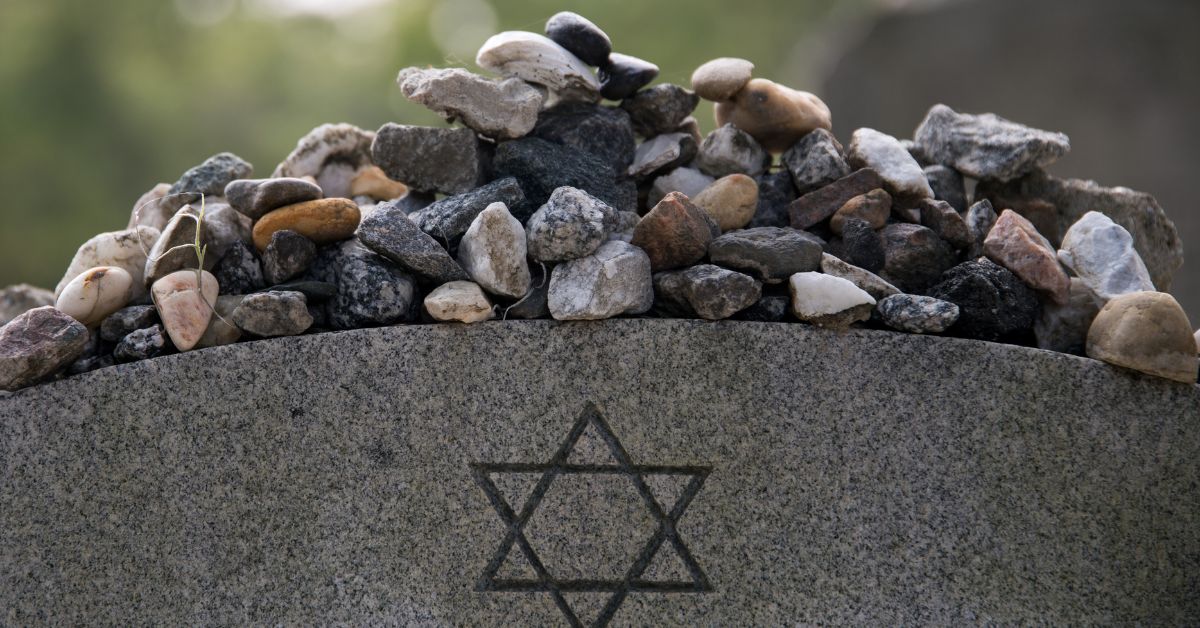
In Jewish tradition, memorials carry profound spiritual significance. You'll often see headstones made from natural stone, reflecting the belief in returning to the earth. The placement of small stones on graves by visitors is a touching custom that says, "I was here. I remember."
Many Jewish families choose upright monuments with Hebrew inscriptions alongside English text. Common symbols include the Star of David, menorahs, or hands positioned in the priestly blessing. We've helped families incorporate these meaningful elements while ensuring the memorial meets both religious requirements and cemetery regulations.
Traditional Jewish memorials often feature simple, dignified designs without excessive ornamentation, though some communities embrace more elaborate artistic expressions. The unveiling ceremony, typically held about a year after burial, marks an important milestone in the grieving process.
Christian Memorial Practices
Christian memorials span a beautiful spectrum of styles, reflecting the diversity within Christianity itself. Crosses are the most recognizable symbol, but the design choices go far beyond that single image.
Catholic families might incorporate images of the Virgin Mary, praying hands, rosary beads, or specific saints who held special meaning for their loved one. We've created memorials featuring the Sacred Heart, angels, and biblical verses that brought comfort to the deceased during their lifetime.
Protestant traditions often favor simpler designs with meaningful scripture passages. We've engraved countless verses from Psalms, John, and other books that speak to hope, resurrection, and eternal life. Some families choose contemporary Christian symbols like the ichthys (fish symbol) or incorporate imagery from favorite hymns.
Orthodox Christian memorials sometimes include more elaborate iconographic elements, and we work carefully to ensure these sacred images are rendered with appropriate reverence and accuracy.
Islamic Memorial Customs
Islamic memorial traditions emphasize simplicity and humility. Traditional Muslim headstones are often raised slightly above ground level and feature Arabic calligraphy, particularly verses from the Quran or the Shahada (declaration of faith).
We've worked with many Muslim families to create memorials that honor these customs while incorporating personal touches. The direction of the inscription may align with Mecca, and decorative elements tend to be geometric patterns or floral designs rather than representational images.
Colors often lean toward natural granite shades, and the overall aesthetic reflects the Islamic principle that all are equal before God. It's a beautiful reminder that memorial traditions serve not just to honor the deceased, but to express core values and beliefs.
Hindu and Buddhist Memorial Practices
Hindu and Buddhist memorial traditions often reflect beliefs about the cycle of life, death, and rebirth. While cremation is common in both traditions, families may still choose memorial markers in gardens of remembrance or special memorial areas.
Hindu memorials might incorporate the Om symbol, lotus flowers, or other sacred imagery. Sanskrit inscriptions can be included alongside modern languages, creating a bridge between ancient tradition and contemporary life.
Buddhist memorials often feature images of the Buddha, dharma wheels, lotus blossoms, or the eternal knot. We've created beautiful etchings of these symbols on black granite, where the detail and spiritual significance can really shine through.
Both traditions often emphasize natural elements and peaceful imagery, reflecting philosophies that embrace the continuity of existence rather than viewing death as an ending.
African and African American Memorial Traditions
African American memorial traditions beautifully blend African heritage, American history, and deeply personal family customs. We've had the honor of creating memorials that celebrate this rich cultural tapestry.
Some families incorporate Adinkra symbols from West Africa, each carrying specific meanings about life, death, and legacy. The Sankofa bird, for instance, represents the importance of learning from the past. Kente cloth patterns can be etched into stone, creating stunning visual connections to ancestral heritage.
African American memorials might also feature imagery reflecting the person's participation in the Civil Rights Movement, membership in historically Black fraternities or sororities, or connection to the Black church tradition. We've created custom designs incorporating gospel music notes, church imagery, and quotes from influential leaders.
Family reunion traditions and the importance of honoring ancestors are central to many African American families, and memorials often serve as gathering places for these meaningful connections across generations.
Asian Cultural Traditions
Asian memorial traditions vary widely across different cultures, each with distinctive approaches to honoring the deceased.
Chinese traditions often incorporate feng shui principles in memorial design and placement. Red and gold accents may appear in etchings or paint fill, as these colors carry auspicious meanings. Dragon and phoenix imagery, clouds, and other traditional motifs can be beautifully etched into polished granite.
Japanese memorial practices emphasize simplicity and natural beauty. Cherry blossoms, pine trees, and cranes are common motifs. Some families choose to include both Japanese characters and English text, honoring their bicultural identity.
Korean traditions might feature unique stone shapes and include Hangul script alongside English inscriptions. The emphasis on family and ancestral respect is reflected in memorial designs that accommodate multiple generations.
Vietnamese memorials sometimes blend Buddhist symbolism with cultural elements specific to Vietnamese heritage, including specific flower imagery and traditional patterns.
Native American Memorial Customs
Native American traditions, while varying significantly among different nations and tribes, often emphasize the connection between the deceased and the natural world. We approach these memorials with particular care, understanding that each tribe has its own protocols and sacred symbols.
Some families incorporate tribal emblems, feathers, dreamcatchers, or animals that held spiritual significance. Turquoise accents in the stone or etchings of sacred landscapes create powerful connections to ancestral lands and spiritual beliefs.
We've learned that consultation with tribal elders or cultural leaders is sometimes appropriate to ensure designs honor tradition appropriately. The colors chosen might reflect tribal associations, and inscriptions may include phrases in native languages alongside English.
Latino/Hispanic Memorial Traditions
Latino memorial traditions often create vibrant, celebratory tributes that reflect the belief that death is not an ending but a transition. Influenced by both indigenous practices and Catholic faith, these memorials can be wonderfully expressive.
Día de los Muertos (Day of the Dead) traditions influence many families' approach to memorials. Marigold flowers, sugar skull motifs, and bright colors celebrate the ongoing relationship between the living and the deceased. We've created custom etchings that capture the folk art aesthetic of this meaningful tradition.
Religious imagery is often central—the Virgin of Guadalupe, crucifixes, and other Catholic symbols appear frequently. Bilingual inscriptions in Spanish and English honor the family's cultural heritage while ensuring all generations can connect with the memorial.
Diverse Headstones: Design Elements That Honor Heritage
The beauty of modern memorial creation is that we're no longer limited to cookie-cutter designs. The
headstones and monuments we create can incorporate virtually any symbol, language, or design element that holds meaning for your family.
Symbolic Imagery
Symbols transcend language and carry profound meaning across cultural practices. We've etched everything from Celtic knots to Hamsa hands, from Masonic emblems to Eastern Orthodox crosses. Each symbol tells part of the story of who your loved one was and what mattered most to them.
Laser etching technology allows us to create incredibly detailed imagery—realistic portraits, scenes from nature, religious icons, and cultural symbols rendered with precision and artistry. On black granite, these etchings take on a luminous quality that draws the eye and invites contemplation.
Language and Script
Religious memorials often incorporate sacred texts in their original languages. We've worked with Hebrew, Arabic, Sanskrit, Chinese characters, Japanese kanji, Greek, Latin, and countless other scripts. Our craftspeople understand that getting these inscriptions exactly right isn't just important—it's essential.
For bilingual families, we can create memorials that honor multiple linguistic heritages. Seeing a grandmother's name rendered in both Korean Hangul and English, for instance, acknowledges the bridge she created between cultures for her family.
Colors and Materials
While traditional granite comes in beautiful natural shades, the cultural significance of color matters. Black granite for formal elegance, white for purity, red for vitality and celebration, blue for peace and spirituality—each choice carries meaning.
We offer granite colors from around the world: Bahama Blue from the Bahamas, Canadian Pink, Missouri Red, and Ebony Black, among many others. Some families choose granite from a specific region to honor their ancestral homeland.
Bronze elements can be incorporated for plaques, emblems, or decorative touches. The warm patina of bronze creates a beautiful contrast with granite and holds special significance in some traditions.
Shape and Style
Cultural practices influence not just what appears on a memorial, but its very shape. Some traditions favor upright monuments, others prefer flush markers. The choice between slant markers, bevel markers, or elaborate wing-style monuments might be influenced by cemetery requirements, budget, or cultural preferences.
We've created everything from traditional upright tablets to custom benches where families can sit and remember together. For families with specific cultural requirements, we work to find designs that honor tradition while meeting practical needs.
Creating an Inclusive Memorial Experience
At Memories In The Making, Inc., inclusivity isn't just a buzzword—it's a commitment we live out with every family we serve. We understand that creating a memorial for your loved one is deeply personal, and the process should honor your values, beliefs, and traditions.
Listening First
We start by listening. What traditions are important to your family? What symbols carried meaning for your loved one? Are there religious requirements we need to understand? What languages should be included? These conversations help us understand not just what you want, but why it matters.
Respecting Religious Requirements
Different faiths have specific requirements for memorials, and we make it our business to understand these guidelines. From the timing of installations to the presence or absence of certain imagery, we ensure your memorial aligns with your religious principles.
We've worked with rabbis, priests, imams, Buddhist monks, and spiritual leaders from many traditions. When needed, we're happy to consult with religious authorities to ensure we're creating something that's not just beautiful, but appropriate and meaningful within your faith tradition.
Navigating Cemetery Regulations
Sometimes the challenge is balancing cultural or religious preferences with cemetery regulations. Some cemeteries have restrictions on memorial height, materials, or decorative elements. We help families navigate these requirements while staying true to their traditions.
Our experience working with cemeteries throughout the Chicagoland area means we often know the specific regulations before we even start designing. When conflicts arise, we work creatively to find solutions that satisfy both cemetery requirements and family wishes.
Celebrating Multicultural Identities
More families today reflect beautiful blending of cultures and traditions. We've created memorials that honor interfaith marriages, multicultural heritages, and the complex identities that make up modern America.
A memorial might incorporate both a cross and a Star of David, reflecting parents of different faiths. Or it might include Korean and Spanish inscriptions, celebrating a marriage that bridged cultures. These memorials tell stories of love transcending boundaries, and we're honored to help families create them.
The Universal Language of Love and Remembrance
While memorial traditions vary beautifully across cultures and religions, something remains universal: the desire to honor those we've lost and to create lasting tributes that say, "You mattered. You are loved. You are remembered."
Whether your tradition calls for simple elegance or elaborate artistry, whether your faith emphasizes humility or celebration, whether your heritage spans generations in one place or journeys across continents—we're here to help you create a memorial that feels right.
We've learned so much from the families we serve. Every cultural practice we learn about enriches our understanding and our ability to serve our diverse community better. When you share your traditions with us, you're not just getting a memorial—you're helping us become better at what we do.
Your Memorial, Your Way
Creating a memorial doesn't have to be overwhelming. We make the process simple by guiding you through three easy steps: choosing your granite color, selecting a design, and deciding on your inscription. But within that straightforward framework, the possibilities are endless.
Your memorial can honor ancient traditions or create new ones. It can speak in one language or many. It can incorporate symbols that trace back thousands of years or reflect contemporary expressions of faith and culture.
What matters most is that it feels right to you and your family. That it honors not just the person you've lost, but the traditions, beliefs, and values that shaped their life.
Let's Create Something Meaningful Together
At Memories In The Making, Inc., we're privileged to serve families from all backgrounds, faiths, and cultures throughout the Chicagoland area. We understand that diversity isn't just something to acknowledge—it's something to celebrate.
Your loved one's memorial should be as unique as their fingerprint, reflecting the singular life they lived and the traditions that gave that life meaning. Whether you're looking to honor time-tested religious memorials, celebrate cultural heritage, or blend multiple traditions into something uniquely yours, we're here to help.
We invite you to reach out and start a conversation about creating a memorial that truly honors your loved one. Call us at 630-824-7306, or use our convenient contact form on our website. We'll listen to your story, understand your traditions, and work with you to create a memorial that would make your loved one proud.
Because at the end of the day, that's what this is all about—creating lasting tributes that honor the people who touched our lives, shaped our families, and left the world better than they found it. No matter where they came from, what they believed, or how they chose to express their faith and heritage, they deserve to be remembered with dignity, respect, and love.
Let us help you create that memory—one that will transcend the generations, honoring both the individual and the traditions that made them who they were.